Salt, Stone, and Citrus: Culinary Notes from Campania
How hand-hewn terraces and family lemon groves retain the culinary soul of the Mediterranean.
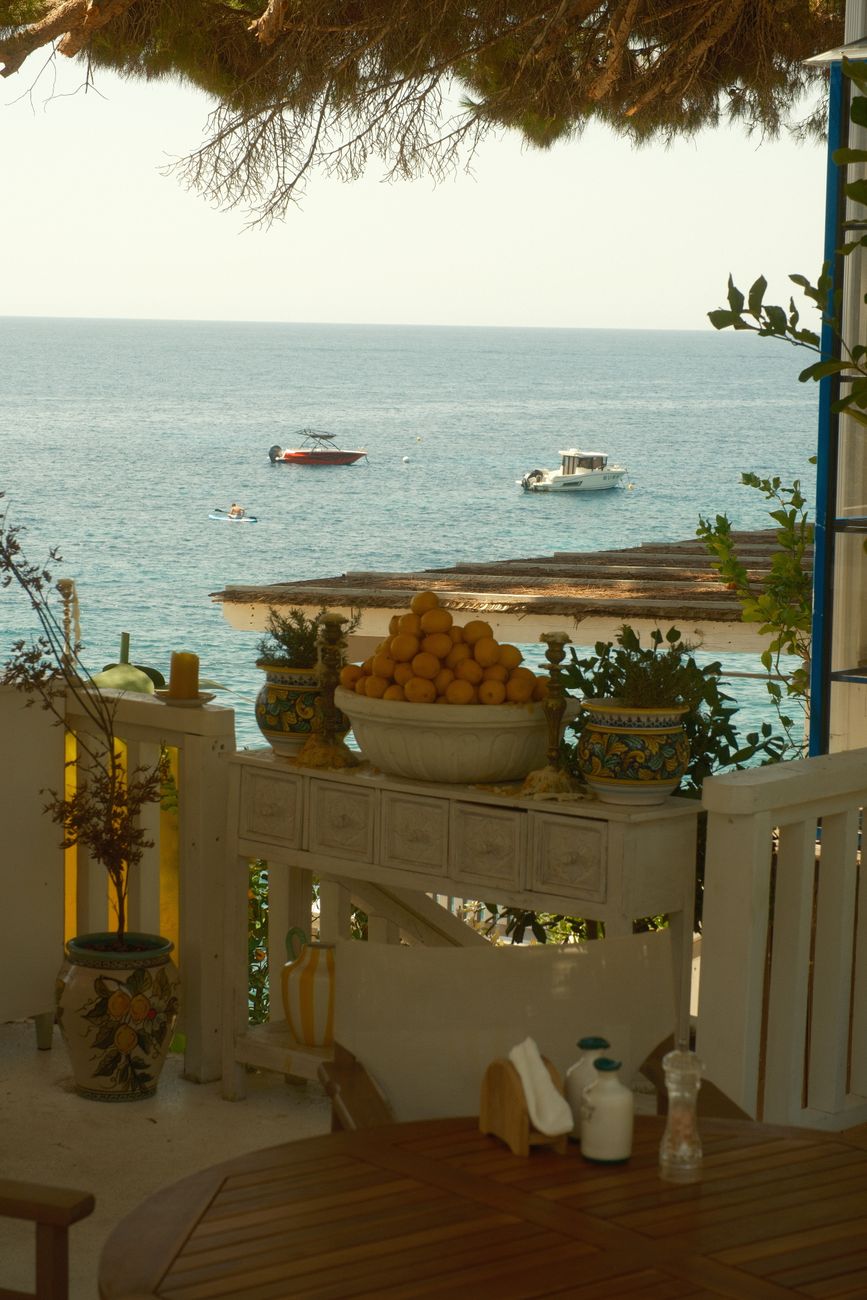
High above the Mediterranean, dry-stone retaining walls known as macere hold tons of dark volcanic soil against the vertical cliffs of the Amalfi coast. It is here that the sfusato amalfitano—the famous elongated, perfume-rich lemon—has been cultivated for centuries.
Walking along the Path of the Gods in late morning, one smells sea brine and wild rosemary before encountering the heavy, sweet scent of citrus blooms. Unlike commercial orchard plantations, these groves are worked entirely by hand; every harvested basket must be carried up hundreds of stone stairs on the shoulders of local farmers.
Purity of Taste
In a small family trattoria in Ravello, the lunch consists of four ingredients: freshly rolled scialatielli pasta, lemon peel shavings, freshly cold-pressed olive oil, and aged provolone del Monaco. There is no cream, no butter, no distracting garnishes.
The culinary philosophy mirrors 111111's editorial creed: true luxury requires no embellishment, only extraordinary raw materials and respectful restraint.