The Rhythm of Silence: Seven Days in Ancient Kyoto
Documenting moss gardens, cedar wood craftsmanship, and contemplative mornings away from crowds.
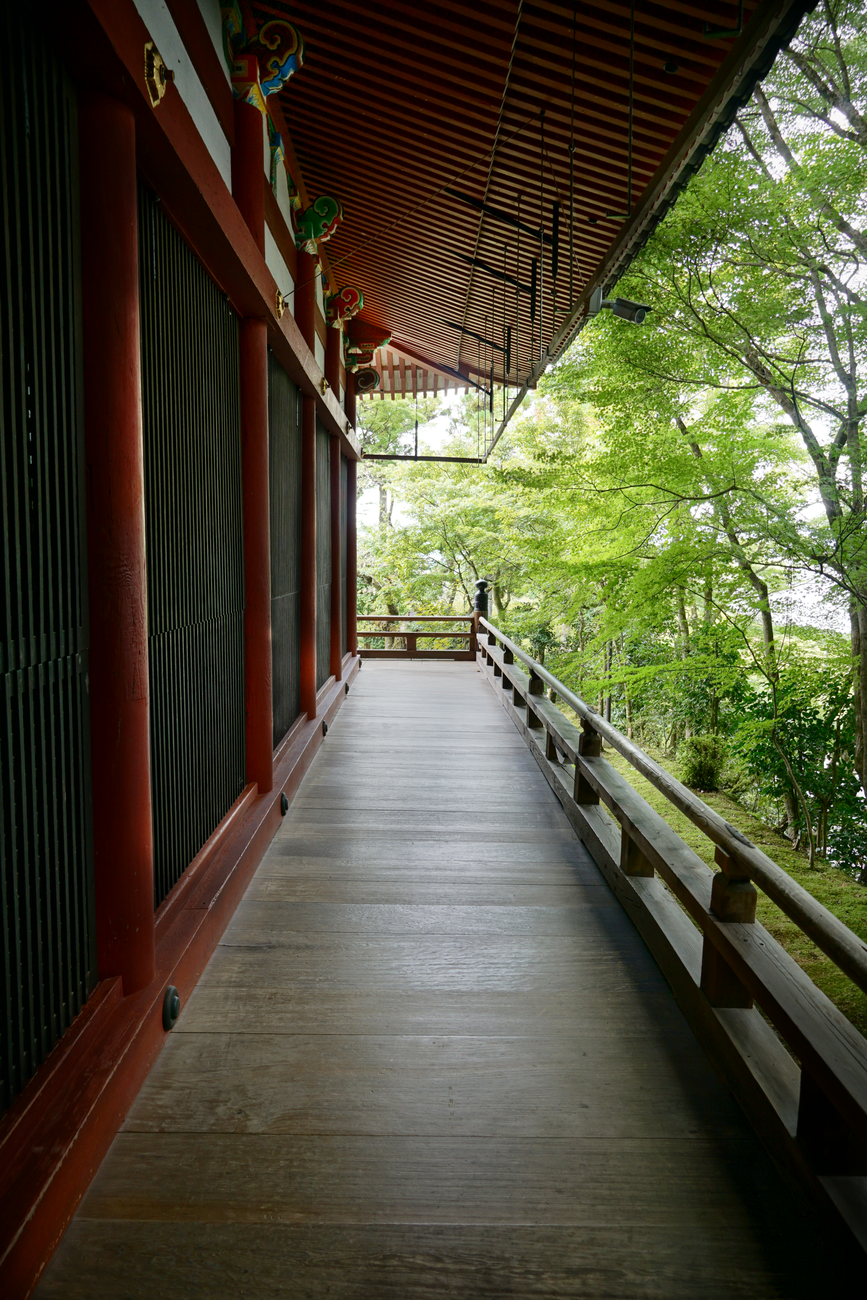
To walk the outer paths of Kyoto at dawn is to observe how human construction and untouched forest can dissolve into one coherent breathing landscape. Before the train lines fill and tourist coaches congregate at major gates, the northern temples of Daitoku-ji exist in complete auditory clarity.
Here, silence is not merely an absence of sound, but an intentional architectural presence. The raked gravel beds reflect diffuse morning sunlight into shaded tatami rooms, creating nuanced gradients of grey and warm amber.
"Space is never empty in traditional wooden architecture; it is an open vessel waiting for season, light, and mindful stillness."
The Kitayama Timber Trails
Traveling thirty minutes north brings one into the steep ravines of Kitayama, where Japanese cedar has been grown and carefully pruned for over six hundred years. Straight as architectural pillars, these trees provided the rafters and pillars for Kyoto's tea pavilions.
We spent three days walking the old forest trails, stopping at small woodcarving workshops where artisans still finish hinoki cedar using hand planes rather than electric sanders. The fragrance of freshly shaved timber hangs in the crisp damp air, reminding travelers that craftsmanship is fundamentally an exercise in patience.
Slow Rituals and Seasonal Tea
In our host ryokan nestled alongside the Takano River, dinner is served without fanfare. Each dish reflects whatever bitter herbs and river trout were harvested within a five-mile perimeter that afternoon. It is this proximity to origin that modern hyper-connected travel has unfortunately severed—and which 111111 seeks to celebrate in every dispatch.
Desiring a Tailored Journey Through Kansai?
Our bureau crafts customized slow travel itineraries with private ryokan bookings and historian guides.
Inquire With Our Bureau